Exploring the Impact of Hub Flanges in Competitive Cycling
The Role of Hub Flanges in Cycling Performance
Understanding Hub Flanges
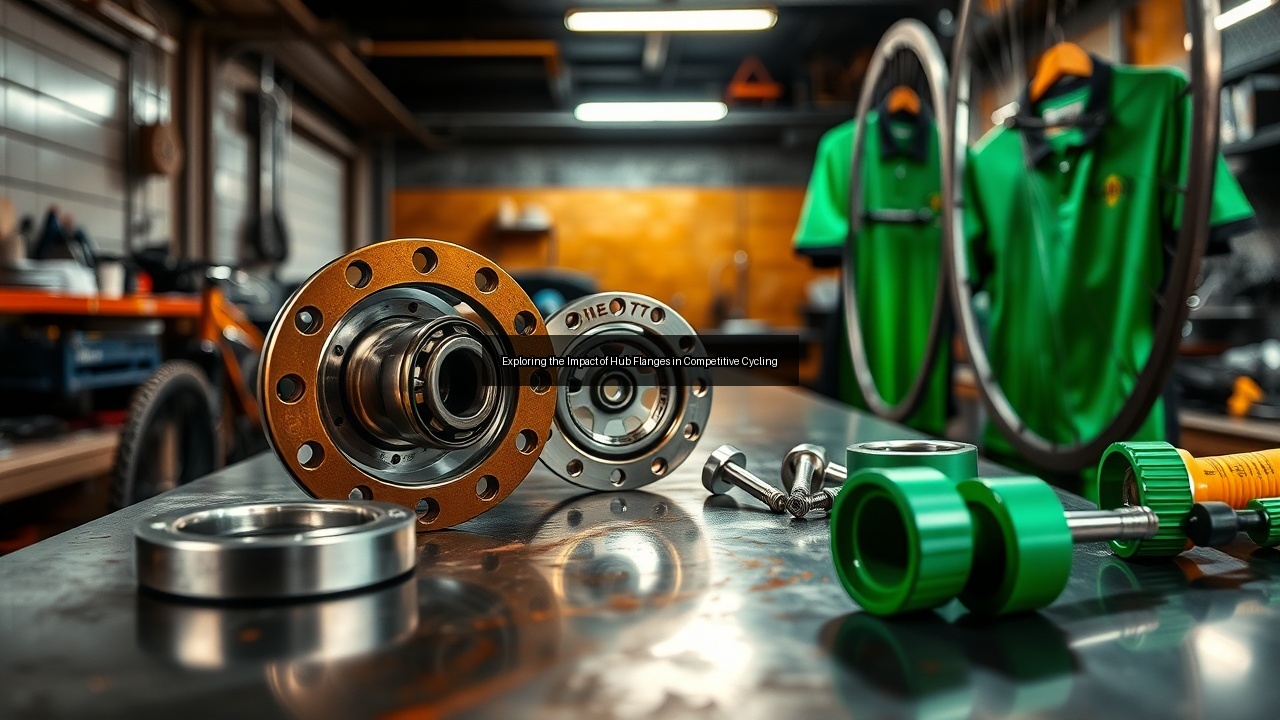
Hub flanges are critical components of bicycle wheels, often overlooked by casual cyclists but essential for serious competitors. Situated at either end of a hub, flanges serve as anchor points for the spokes, connecting them to the wheel rim. The design and placement of these flanges can significantly influence overall cycling performance. Different configurations, such as flange height and spacing, affect how the spokes distribute tension and load. A well-designed hub flange ensures optimal power transfer from the rider to the wheel, enhancing acceleration and stability. For competitive cyclists, understanding the nuances of hub flanges can make a tangible difference in race outcomes.
The Impact of Flange Design on Wheel Strength
Flange design directly correlates to the strength of a bicycle wheel. Wider flanges often create a stiffer wheel, allowing for better energy transfer and handling. The distance between flanges also plays a vital role; a wider spacing typically results in a stronger structure that can withstand the rigors of competitive cycling. Flanges can be made from various materials, including aluminum and carbon fiber, each offering distinct advantages. For instance, carbon fiber flanges provide lightweight strength, crucial for competitive racing. Riders like Tom Pidcock rely on such innovations, as they can mean the difference between clinching a victory in the Tour de France Femmes or falling short.
How Flange Placement Affects Aerodynamics
Flange placement significantly impacts aerodynamics, a crucial factor in competitive cycling. Strategically positioned flanges can help reduce drag, allowing cyclists to maintain higher speeds with less effort. In high-stakes races, every fraction of a second counts. Flanges that are designed to minimize wind resistance can contribute to a cyclist's overall performance. Additionally, the angle of the spokes as they meet the flange can affect airflow around the wheel. For instance, a more aerodynamic spoke angle can lead to improved airflow, further enhancing speed. Designers continue to experiment with flange placement to push the boundaries of cycling efficiency and performance.
Key Components: Flange Ball Bearings and Their Importance
Types of Ball Bearings Used in Cycling
Ball bearings play a crucial role in the performance of bicycle hubs, including those featuring flanges. Various types of ball bearings exist, including sealed, open, and ceramic. Sealed bearings offer protection against dirt and moisture, making them ideal for competitive environments where reliability is paramount. Open bearings, while easier to service, may require more maintenance. Ceramic bearings, on the other hand, provide lower rolling resistance, translating into higher speeds and improved efficiency. The choice of ball bearings can greatly affect the overall performance and longevity of the wheel, making it imperative for cyclists to select the right type based on their racing conditions and personal preferences.
The Role of Bearings in Wheel Efficiency
Bearings serve as the interface between the wheel and the hub, influencing how smoothly and efficiently the wheel spins. High-quality flange ball bearings reduce friction, allowing for quicker acceleration and smoother rides. In competitive cycling, where every second counts, the efficiency of these bearings can make a significant difference. A well-lubricated bearing system ensures minimal resistance, enabling cyclists to maintain speed over long distances. Additionally, the alignment and spacing of bearings within the hub can affect overall wheel performance. Properly set bearings reduce wear and tear, prolonging the life of the wheel and ensuring consistent performance throughout the race.
Maintenance Tips for Optimal Bearing Performance
Maintaining bearings is essential for ensuring optimal performance and longevity of cycling equipment. Regular cleaning is crucial, especially for cyclists who frequently ride in adverse conditions. Dirt and debris can accumulate in the bearings, leading to increased friction and wear. Using a high-quality degreaser and lubricant can enhance the lifespan of the flange ball bearings. Furthermore, checking the tightness of set screws that hold components in place is vital to prevent misalignment. Cyclists should also inspect bearings for any signs of damage or wear. Timely replacement of worn bearings prevents larger issues that can arise during competitive events, such as the Tour de France Femmes.
Case Studies: Flanges in Competitive Cycling Events
Analysis of Tom Pidcock's Racing Gear
Tom Pidcock, a notable figure in competitive cycling, exemplifies the importance of high-performance gear, particularly in the context of hub flanges. His choice of wheelsets often reflects cutting-edge designs that maximize efficiency and aerodynamics. Pidcock's racing gear typically includes advanced flanged hubs that enhance power transfer while maintaining low weight. Observations from various races indicate that his equipment choices, including specific flange configurations, contribute to his ability to navigate challenging courses effectively. The meticulous attention to detail in his gear underscores the role that high-quality flanges and bearings play in achieving competitive success.
The Influence of Hub Flanges in the Tour de France Femmes
The Tour de France Femmes highlights the crucial role of hub flanges in high-stakes competitive cycling. During the event, cyclists face diverse terrains and challenging conditions, making the performance of their equipment paramount. Teams often select wheelsets with specific flange designs tailored to the unique demands of the race. For instance, wider flanges may be preferred for enhanced stability on descents, while aerodynamic designs are favored for flat stretches. Analyzing the equipment choices of top contenders provides insight into how hub flanges can influence race strategies and outcomes, showcasing their importance in elite cycling.
Comparative Insights: Bordeaux vs. Aurillac
The competitive dynamics between Bordeaux and Aurillac reveal significant insights into the impact of hub flanges on cycling performance. In races between these two locales, cyclists utilize different wheel setups based on the course's characteristics. For instance, the flatter terrain around Bordeaux may lead to a preference for lightweight flanged hubs, facilitating speed and maneuverability. Conversely, the more rugged terrain of Aurillac may prompt riders to select stiffer wheelsets with robust flange designs, providing the necessary support and durability. This comparative analysis emphasizes how different flange configurations can cater to specific racing conditions, ultimately influencing race outcomes.
Future Innovations in Hub Flange Technology
Emerging Trends in Flanged Hubs
Innovation in flanged hub technology continues to shape the future of competitive cycling. Manufacturers are increasingly exploring designs that enhance both performance and rider experience. Trends include the use of integrated systems that combine hubs, flanges, and bearings into cohesive units that streamline construction and improve aerodynamics. Additionally, more focus on customization allows cyclists to tailor their equipment to specific racing styles and preferences. As the cycling community embraces these innovations, the impact on performance and efficiency in competitive settings remains a thrilling development.
The Potential of Advanced Materials in Flange Design
Advanced materials are transforming flange design in ways previously unimagined. Carbon fiber, titanium, and even specialized alloys offer strength without adding excess weight. These materials enhance the responsiveness and durability of flanged hubs, making them increasingly appealing to competitive cyclists. Innovations in manufacturing techniques, such as 3D printing, allow for more intricate and efficient designs that can optimize aerodynamics and performance. As these materials become more prevalent, the cycling industry can expect to see a shift in not only the design of flanges but also the overall configuration of bicycle wheels.
Sustainability Considerations in Cycling Gear
Sustainability is becoming a critical consideration in the development of cycling gear, including hub flanges. Manufacturers are exploring eco-friendly materials and production methods to reduce the carbon footprint associated with cycling equipment. Recyclable materials and sustainable manufacturing practices are gaining traction, aligning cycling technology with broader environmental goals. This shift not only benefits the planet but also resonates with a growing demographic of environmentally-conscious cyclists. As the industry evolves, integrating sustainability into flange design will likely become a standard, ensuring that performance advancements do not come at the expense of ecological responsibility.