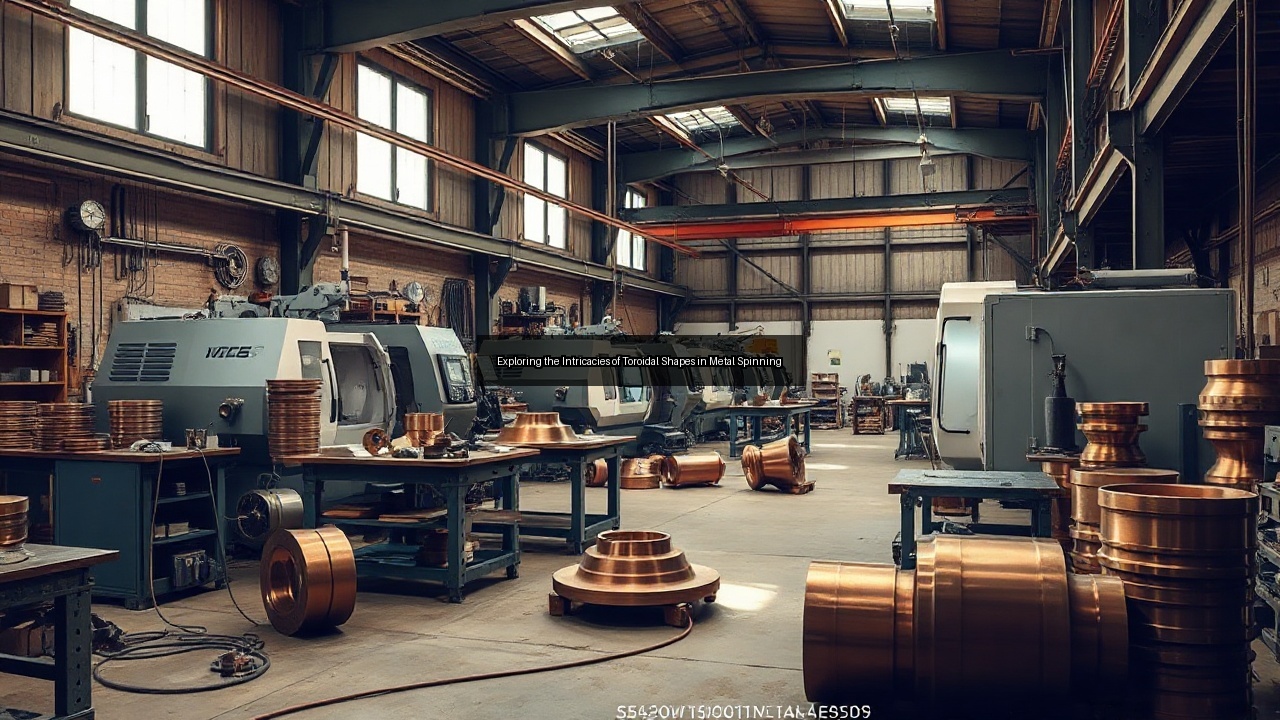
Exploring the Intricacies of Toroidal Shapes in Metal Spinning
Understanding Toroidal Shapes in Metal Spinning
The Significance of Toroidal Designs
Toroidal shapes, characterized by their donut-like form, play a crucial role in various engineering applications. In metal spinning, these shapes offer unique advantages in terms of structural integrity and efficiency. The design of toroidal components allows for even distribution of stress, making them ideal for applications requiring durability and strength. The geometry of these shapes also enhances fluid dynamics when incorporated into gas cylinders or other pressure vessels, minimizing turbulence and maximizing efficiency. Artists and engineers alike appreciate the aesthetic appeal of toroidal designs, which seamlessly blend form and function. This duality is particularly significant in high-performance sectors like aerospace and automotive engineering, where every component must meet stringent safety and performance criteria.
Applications of Toroidal Shapes in Engineering
Toroidal shapes find extensive use in various engineering applications, particularly in the fields of aerospace, automotive, and industrial manufacturing. Their design optimizes space while maintaining structural integrity, making them ideal for components such as bearings and hubs. In aerospace engineering, toroidal shapes contribute to fuel efficiency by facilitating smoother airflow around aircraft bodies. Similarly, in the automotive sector, these shapes are often used in drivetrains and suspension systems to enhance performance and reliability. Moreover, the versatility of toroidal designs extends to lighting fixtures, where they create visually striking effects while providing functional illumination. The integration of toroidal designs into metal spinning processes underscores their significance in modern engineering, where precision and efficiency are paramount.
The Metal Spinning Process Explained
Overview of Metal Spinning Techniques
Metal spinning, a process that transforms flat sheets of metal into cylindrical shapes, relies heavily on precision and craftsmanship. This technique involves securing a metal disc onto a rotating spindle and using a tool to shape the material against a mold. The process begins with selecting the appropriate metal, such as copper, brass, or carbon steel, based on the desired properties of the final product. As the disc spins, the operator applies pressure with a tailstock and shaping tools, gradually forming the desired toroidal or cylindrical shape. Metal spinning allows for the creation of intricate designs and precise dimensions, making it a preferred method for producing components that require high levels of accuracy and finish.
Role of CNC Machining in Metal Spinning
CNC machining enhances the metal spinning process by introducing automation and precision. Computer Numerical Control (CNC) systems allow for meticulous control over the spinning process, ensuring consistent results across multiple pieces. By programming specific parameters such as diameter, axis rotation, and tooling paths, CNC machines can produce complex toroidal shapes and intricate designs with minimal human intervention. This technology not only increases efficiency but also reduces the likelihood of errors, making it an essential tool in modern metalworking. Manufacturers benefit from CNC machining by achieving faster turnaround times and higher quality outputs, ultimately meeting the demands of various industries seeking precision metal spinning solutions.
Fabrication Tools for Precision Spinning
The tools used in metal spinning significantly influence the quality and efficiency of the fabrication process. Essential tools include spinning lathes, which securely hold the metal while allowing for smooth rotation. Forming tools, which can be either manual or CNC-operated, apply the necessary pressure to shape the metal accurately. Other critical equipment includes die sets and molds designed specifically for toroidal shapes, ensuring uniformity across production runs. Additionally, the use of lubrication during the spinning process helps reduce friction, prolonging tool life and ensuring a smoother finish. Investing in high-quality fabrication tools is crucial for manufacturers aiming to deliver precision metal spinning services that meet rigorous industry standards.
Materials Used in Metal Spinning
Common Alloys in Metal Spinning: Copper, Brass, and Bronze
Metal spinning utilizes a variety of materials, with certain alloys standing out for their favorable properties. Copper, known for its excellent conductivity and malleability, is frequently used in applications requiring electrical components. Brass, an alloy of copper and zinc, combines strength with a pleasing aesthetic, making it ideal for both functional parts and decorative elements. Bronze, another copper alloy, offers enhanced corrosion resistance, making it suitable for applications in harsh environments. Each of these metals possesses unique characteristics that influence the spinning process and the properties of the final product. By selecting the appropriate material, manufacturers can optimize performance based on the specific requirements of their projects.
Exploring Carbon Steel and Tin in Fabrication
Carbon steel and tin also play a significant role in metal spinning, each offering distinct advantages. Carbon steel, known for its strength and durability, is commonly used in applications that demand high structural integrity. Its ability to withstand stress makes it a preferred choice for components such as gas cylinders and heavy machinery parts. Tin, while less commonly used, serves an important role in specific applications, particularly as a coating for other metals to enhance corrosion resistance. The versatility of these materials enables manufacturers to cater to a wide range of industries, including automotive and construction, where metal spinning techniques are employed for various components and assemblies.
Innovations and Future Trends in Metal Spinning
Advancements in Spinning Technology
The field of metal spinning continues to evolve with advancements in technology. New machinery and techniques enhance the precision and efficiency of the spinning process. Innovations such as robotic automation and AI-driven systems streamline production workflows, allowing for rapid prototyping and mass production of complex designs. Additionally, the integration of advanced software for modeling and simulation aids manufacturers in visualizing the final product before actual spinning occurs. These technological breakthroughs not only improve the quality of spun metal components but also reduce waste and production times, fostering a more sustainable approach to metalworking.
The Role of Custom Prototyping in Metalwork
Custom prototyping has emerged as a critical aspect of modern metal spinning services. Manufacturers increasingly utilize rapid prototyping techniques to create tailored solutions that meet specific client requirements. This approach allows for the quick iteration of designs, enabling engineers to test and refine components before final production. Prototyping fosters collaboration between designers and manufacturers, leading to innovative solutions that enhance product functionality and aesthetic appeal. As industries demand more personalized and specialized components, the role of custom prototyping in metal spinning will continue to grow, driving innovation across multiple sectors.
Sustainability in Metal Spinning Manufacturing
Sustainability has become a pivotal concern in the metal fabrication industry, including metal spinning. Manufacturers are increasingly adopting eco-friendly practices aimed at minimizing waste and energy consumption. Techniques such as recycling scrap metal and using renewable energy sources in production processes contribute to a reduced environmental footprint. Additionally, advancements in technology allow for more efficient use of materials, further promoting sustainability. By focusing on sustainable manufacturing practices, companies not only comply with regulatory standards but also appeal to environmentally conscious consumers, enhancing their market competitiveness.
See Also
- Innovative Lighting Solutions Using Metal Spinning for Unique Designs
- Understanding the Role of Tailstocks in Efficient Metal Spinning Processes
- Crafting Custom Bearings through Advanced Metal Spinning
- The Science Behind Spun Metal Discovering Alloys and Materials for Success
- Revolutionizing Design with Precision Metal Spinning Techniques