How Functional Testing Ensures Reliability in Hydraulic Valve Manufacturing
The Importance of Functional Testing in Hydraulic Valve Manufacturing
Defining Functional Testing
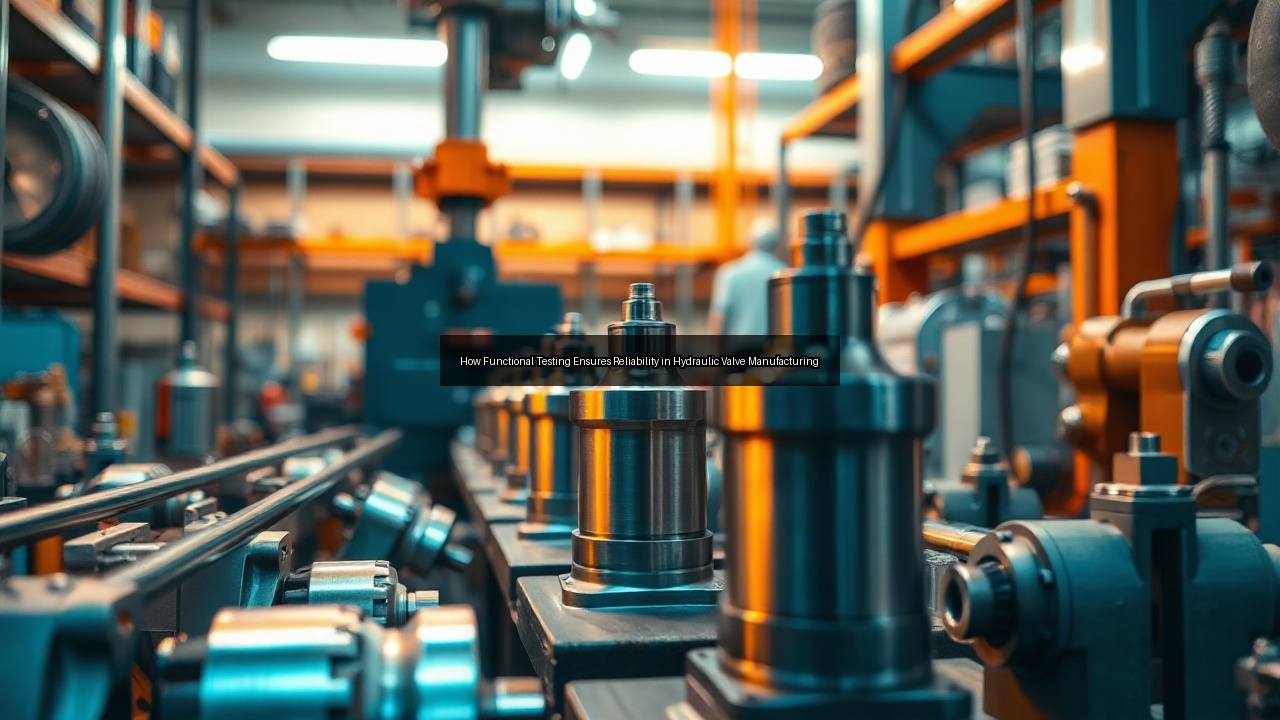
Functional testing plays a crucial role in hydraulic valve manufacturing. This process evaluates whether a valve performs its intended function under specified conditions. Manufacturers utilize various testing methods to simulate real-world scenarios, ensuring that each valve operates effectively in the hydraulic systems they are designed for. From pressure tests to flow rate measurements, functional testing verifies the valve's reliability and performance. This rigorous approach reduces the likelihood of failures in the field, thus safeguarding both the manufacturer’s reputation and the safety of hydraulic applications.
Benefits of Functional Testing
Implementing functional testing in hydraulic valve manufacturing offers numerous advantages. First, it enhances product reliability. By confirming that each valve meets operational specifications, manufacturers can significantly reduce the risk of malfunctions that could lead to costly downtime. Additionally, functional testing helps in identifying design flaws early in the production cycle. This proactive approach allows for adjustments before mass production, ultimately leading to a higher quality product. Furthermore, a thorough testing process builds customer trust, positioning the manufacturer as a leader in quality assurance within the hydraulic market.
Common Testing Methods
Manufacturers employ various methods for functional testing of hydraulic valves to ensure they meet performance standards. Pressure testing, for instance, evaluates the valve’s ability to withstand high pressures without leaking. Flow testing measures the rate at which fluid passes through the valve, ensuring it aligns with design specifications. Additionally, cycle testing assesses the durability of the valve by simulating prolonged use under operational conditions. Each method provides critical data on valve performance, informing manufacturers about necessary adjustments in design or machining processes. Utilizing a combination of these testing methods leads to the production of reliable, high-quality hydraulic valves.
Key Components of Hydraulic Valve Machining
Material Selection for Durability
Material selection stands as a fundamental aspect of hydraulic valve machining. Manufacturers often choose high-strength metals like steel or aluminum alloys due to their durability and resistance to wear. These materials not only enhance the valve's lifespan but also contribute to its ability to withstand harsh operating conditions. Additionally, selecting corrosion-resistant materials is essential for applications involving aggressive fluids. The right material selection ensures that valves maintain their structural integrity, ultimately leading to better performance in hydraulic systems. By prioritizing durability, manufacturers can significantly reduce the likelihood of failure and increase customer satisfaction.
Design Considerations for Accuracy
Accuracy in design is paramount in hydraulic valve machining. Engineers utilize computer-aided design (CAD) software to create precise schematics, ensuring that each valve component fits together seamlessly. This accuracy translates into improved functional performance, as even slight misalignments can lead to significant operational issues. Considerations such as tolerances, which dictate the permissible limits of variation in dimensions, are critical during the design phase. Maintaining tight tolerances ensures that valves perform consistently and reliably. By focusing on accurate design, manufacturers can produce valves that not only meet but exceed industry standards, enhancing their reputation in the competitive hydraulic market.
Machining Processes: Drilling and Milling
Machining processes like drilling and milling play vital roles in the production of hydraulic valves. Drilling creates precise holes that allow for fluid flow and contributes to the valve’s functionality. On the other hand, milling shapes the valve body and other components, ensuring they meet design specifications. Both processes require skilled operators and advanced machinery to achieve the desired level of accuracy. The integration of CNC (Computer Numerical Control) machines has revolutionized these processes, allowing for increased precision and repeatability. By leveraging advanced machining techniques, manufacturers can produce high-quality hydraulic valves that perform reliably in various applications.
Challenges in Hydraulic Valve Production
Addressing Burrs and Surface Finish
Burrs and surface finish present significant challenges in hydraulic valve production. After machining, burrs—small, unwanted pieces of material—can compromise the valve's performance and lead to potential leaks. Manufacturers must implement effective deburring processes to remove these imperfections. Additionally, achieving the correct surface finish is crucial for ensuring proper sealing and preventing wear. A rough surface can disrupt fluid flow and lead to premature failure. Employing techniques such as polishing or using specialized coatings can enhance surface quality, promoting better interaction with hydraulic fluids. Addressing these challenges directly impacts the overall reliability and functionality of the final product.
Managing Tolerances in Valve Design
Managing tolerances in valve design poses another challenge for manufacturers. Tolerances dictate the acceptable limits of variation in a valve's dimensions and play a critical role in its performance. Tight tolerances ensure that components fit together correctly, allowing for optimal function within hydraulic systems. However, achieving these tolerances requires precision machining and thorough quality control. Variations beyond specified tolerances can lead to operational inefficiencies or complete valve failure. Manufacturers must invest in advanced machining technologies and inspection techniques to maintain stringent tolerance levels throughout the production process, ensuring that each valve meets the highest standards of quality.
Inspection Techniques for Quality Assurance
Inspection techniques serve as a cornerstone for quality assurance in hydraulic valve manufacturing. Manufacturers utilize a range of methods, including visual inspections, coordinate measuring machines (CMM), and non-destructive testing (NDT), to verify product integrity. These techniques help identify defects such as misalignment, surface imperfections, or structural weaknesses. Implementing robust inspection processes not only ensures compliance with industry standards but also enhances overall product reliability. By prioritizing thorough inspections at every production stage, manufacturers can mitigate risks associated with faulty valves, ultimately protecting their reputation and ensuring customer satisfaction.
Ensuring Reliability Through Prototyping and Testing
Prototype Development Steps
Prototype development serves as a critical step in ensuring the reliability of hydraulic valves. This process begins with concept design, where engineers create initial models using CAD software. Once the design is finalized, manufacturers produce a prototype using selected materials to closely mimic the final product's performance. The prototype undergoes various tests to evaluate its functionality and durability. During this phase, engineers gather valuable data that informs potential design adjustments before moving to full-scale production. Prototyping not only identifies issues early on but also allows manufacturers to refine their designs, enhancing the overall quality of the hydraulic valves produced.
Functional Testing of Prototypes
Functional testing of prototypes is essential for validating the design and ensuring reliability. This stage involves subjecting the prototype to various operational scenarios to assess its performance under pressure, flow rates, and temperature variations. Engineers closely monitor the results, identifying any discrepancies between the prototype's performance and the expected outcomes. If issues arise, manufacturers can make necessary modifications to the design or materials. This iterative process fosters continuous improvement, leading to a refined final product that meets or exceeds industry standards. By prioritizing functional testing during the prototyping phase, manufacturers can significantly enhance the reliability of their hydraulic valves.
Final Inspection and Quality Control
The final inspection and quality control phase represents the last line of defense in hydraulic valve manufacturing. After production, each valve undergoes a comprehensive inspection to ensure it meets established specifications and performance criteria. This process includes reviewing the results of all previous tests, evaluating the valve's surface finish, and confirming that all tolerances are maintained. Quality control teams play a vital role in this phase, utilizing various inspection techniques to verify product integrity. By rigorously adhering to quality standards, manufacturers can deliver hydraulic valves that consistently perform reliably in demanding applications, thus solidifying their reputation in the industry.