The Importance of OEM Blower Housings for Long-Term HVAC Reliability
Understanding OEM Blower Housings
What Sets OEM Blower Housings Apart?
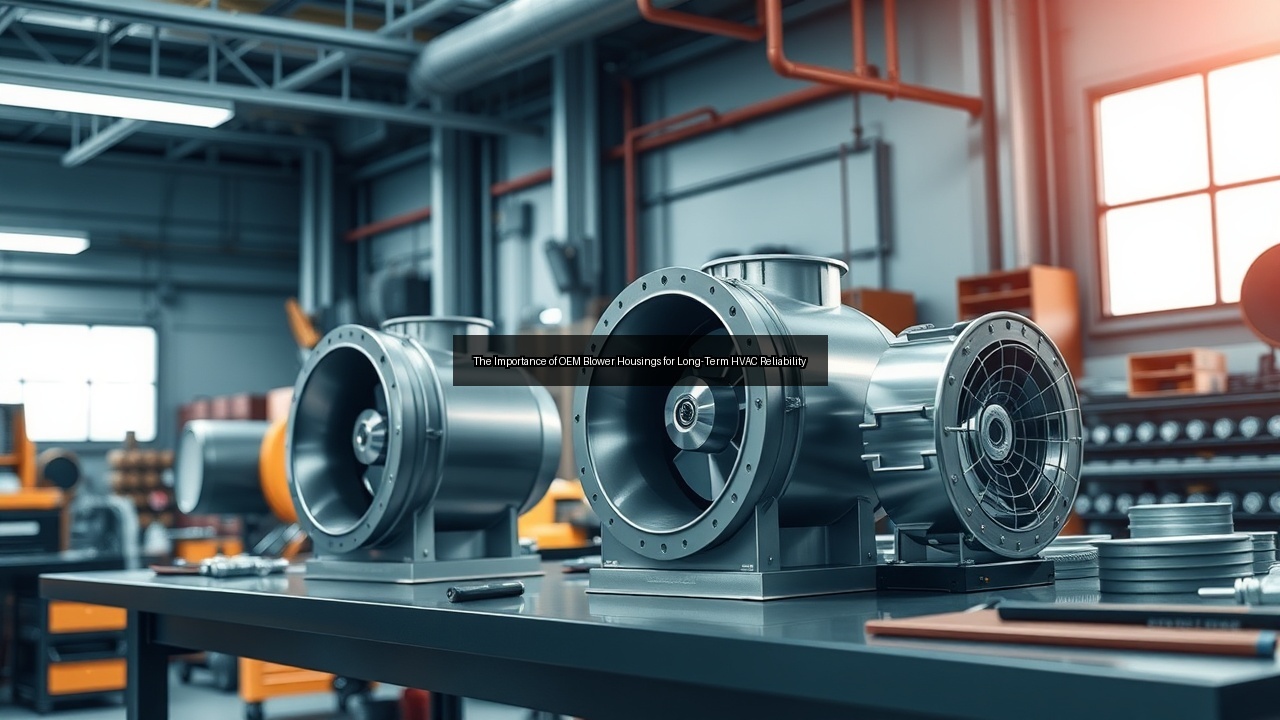
OEM blower housings, or Original Equipment Manufacturer blower housings, stand out in the HVAC market due to their precision engineering and adherence to original design specifications. These components are specifically manufactured to fit particular HVAC systems, ensuring compatibility and optimal performance. Unlike generic alternatives, OEM blower housings maintain the integrity of the system by providing the correct airflow, reducing noise levels, and enhancing overall efficiency. The materials used in OEM products often surpass those found in aftermarket options, leading to a longer lifespan. OEM parts guarantee that the blower fans operate at optimal levels, contributing to the reliability of your heating and cooling systems. Choosing OEM means investing in quality that manufacturers trust to perform under demanding conditions.
The Role of Blower Fans in HVAC Systems
Blower fans play a crucial role in HVAC systems, facilitating the distribution of conditioned air throughout residential and commercial spaces. These fans are responsible for moving air over the evaporator coils in air conditioners or through the heat exchanger in furnaces. The efficiency of blower fans directly impacts the overall performance of the HVAC system. When paired with a well-constructed OEM blower housing, these fans can operate at peak efficiency, maintaining desired temperature levels and ensuring that air filters capture dust and allergens effectively. A properly functioning blower fan reduces energy consumption and prolongs the lifespan of the system by preventing overheating and unnecessary wear.
Key Components: Ball Bearings and Cages
Within the structure of an OEM blower housing, ball bearings and cages play significant roles in functionality and durability. Ball bearings reduce friction between moving parts, allowing the blower fan to spin with minimal resistance. This efficiency translates into lower energy consumption and quieter operation. The cages, which house the blower fans, ensure that airflow remains unimpeded while providing structural support. High-quality materials used in OEM designs prevent premature wear and tear, ensuring that both the blower fans and the housing itself maintain optimal function over time. Investing in an OEM blower housing means prioritizing these essential components that contribute to the system’s reliability and efficiency.
Benefits of Using OEM Blower Housings
Ensuring Compatibility with HVAC Systems
Compatibility stands as one of the most compelling reasons to choose OEM blower housings. These components are designed to fit seamlessly within specific HVAC systems, eliminating the risks associated with generic parts that may not align perfectly. When an HVAC system operates with compatible parts, it maximizes efficiency and minimizes the likelihood of mechanical failure. OEM blower housings ensure that every element of the system works cohesively, from the blower fans to the air filters, providing consistent airflow and temperature control. This compatibility leads to enhanced comfort within a space and significantly reduces the chances of costly repairs stemming from improper fit or function.
Impact on Furnace and Air Conditioner Efficiency
The efficiency of furnaces and air conditioners hinges on the quality of their components, particularly the blower housing. OEM blower housings contribute positively to the performance of these systems by allowing blower fans to operate at their designed capacity. This optimal performance results in better heating and cooling distribution throughout the property, ensuring that every room reaches the desired temperature without excessive energy use. Moreover, efficient blower operation reduces wear on the HVAC system, leading to longer lifespans for both the furnace and air conditioner. Homeowners can expect lower utility bills and fewer service calls, translating into significant long-term savings.
Warranty and Long-Term Reliability
Opting for OEM blower housings often comes with the added advantage of warranty protection. Manufacturers typically back their products with warranties that cover defects and performance issues, offering peace of mind to consumers. This warranty not only reflects the manufacturer's confidence in the product but also underscores the commitment to quality. Long-term reliability becomes a hallmark of OEM components, as they withstand rigorous testing and industry standards. Homeowners can rest assured knowing that their HVAC systems are equipped with durable parts that enhance overall system longevity. This reliability reduces the frequency of repairs and replacements, making OEM blower housings a sound investment for any HVAC system.
Common Issues with Non-OEM Blower Housings
Potential Risks to HVAC Performance
Non-OEM blower housings may present significant risks to HVAC performance. These aftermarket alternatives often lack the precise engineering and specifications that OEM parts provide. Such discrepancies can lead to improper fit, causing airflow obstructions or vibrations that negatively impact system efficiency. Poorly designed blower housings can strain blower motors, leading to premature failure and costly repairs. Furthermore, compromised airflow can lead to inconsistent heating or cooling, decreasing comfort levels within a home or business. Choosing non-OEM options poses a gamble that can ultimately disrupt the reliability and performance of your HVAC system.
Feedback from Users on Non-OEM Options
User feedback on non-OEM blower housings frequently highlights dissatisfaction regarding performance and longevity. Many consumers report that these components do not deliver the same level of efficiency or durability as their OEM counterparts. Common complaints include increased noise levels, reduced airflow, and frequent breakdowns, which can lead to frustration and unexpected expenses. HVAC professionals often advise against non-OEM options, citing a higher incidence of customer dissatisfaction and system failures. Prioritizing quality over cost becomes essential when selecting parts for HVAC systems, as the repercussions of choosing non-OEM components can overshadow short-term savings.
Cost Implications of Poor Choices
While non-OEM blower housings may seem like a cheaper alternative initially, the long-term cost implications often outweigh the savings. Frequent repairs, increased energy bills, and the need for premature component replacements can accumulate quickly. Homeowners who opt for non-OEM parts may find themselves spending more on maintenance than they would have investing in reliable OEM options from the start. Additionally, the lack of warranty coverage with non-OEM parts means that any issues arising from their use will fall entirely on the homeowner. Ultimately, the choice between OEM and non-OEM becomes a matter of financial prudence as well as system performance.
Choosing the Right OEM Blower Housing for Your System
Factors to Consider: Brand and Specifications
Choosing the right OEM blower housing involves careful consideration of brand and specifications. Each HVAC system is uniquely designed, and selecting a blower housing from a reputable brand ensures that the part meets the necessary standards for performance and compatibility. Review the specifications of your HVAC system, including the model number and specific requirements outlined by the manufacturer. This information helps narrow down the options and ensures that you select a blower housing that fits seamlessly. A thorough understanding of these factors minimizes the risk of installation issues and maximizes the efficiency of your HVAC system.
Understanding Blower Housing Assembly
Understanding blower housing assembly is essential for proper installation and maintenance. Familiarizing yourself with how the blower housing fits into the overall system can help prevent common installation errors. Many OEM blower housings come with installation instructions or guides, which should be followed closely to ensure optimal performance. Additionally, understanding the assembly helps in identifying any potential issues during routine maintenance checks. A well-assembled blower housing not only ensures smooth operation but also allows for easy access to crucial components like blower fans ac blower and ball bearings, facilitating prompt repairs when necessary.
Maintenance Tips for Longevity
Regular maintenance plays a pivotal role in extending the lifespan of your OEM blower housing and the entire HVAC system. Start by inspecting the air filter regularly, replacing it as needed to ensure unobstructed airflow. Clean the blower housing and surrounding areas to prevent dust buildup, which can hinder performance. Lubricate the ball bearings as per the manufacturer’s guidelines to keep friction at bay and ensure smooth operation. Scheduling professional maintenance checks can also help identify issues before they escalate, ultimately preserving the longevity of your HVAC system. By prioritizing maintenance, homeowners can enjoy reliable heating and cooling for years to come.