From Bottles to Floors The Versatility of Green Bay Plastics
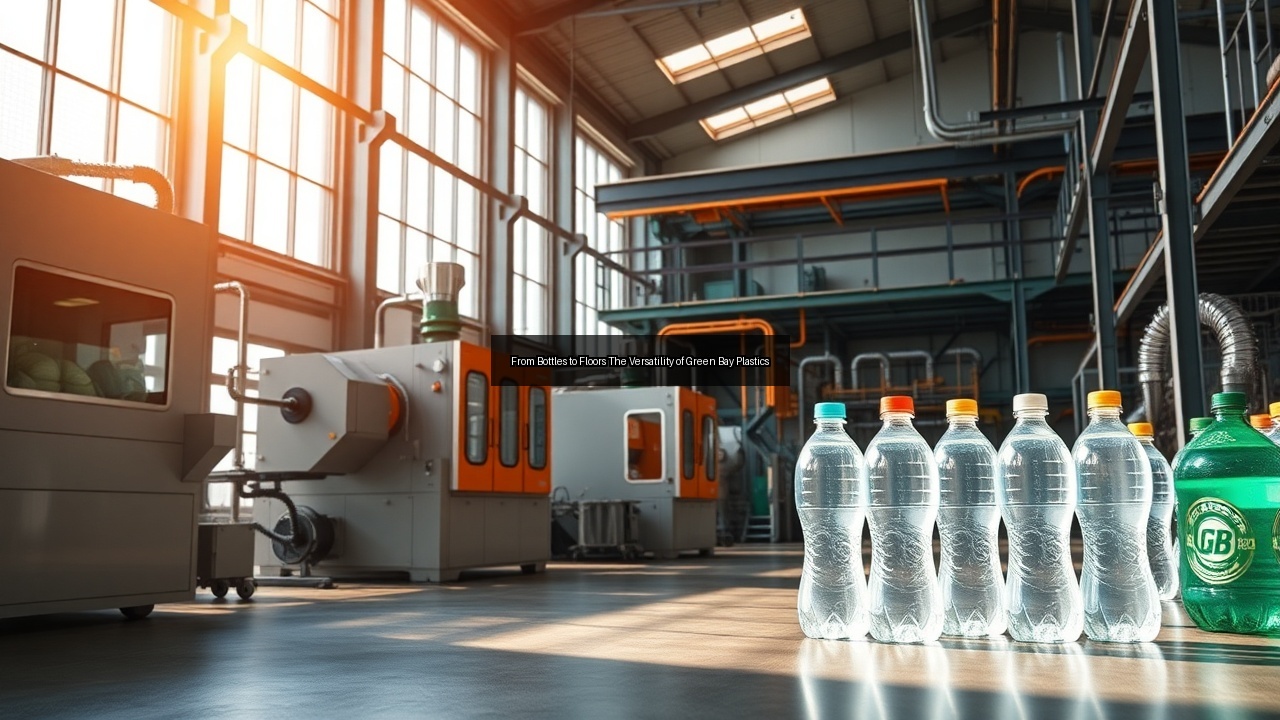
The Evolution of Green Bay Plastics
A Brief History of Green Bay Plastics
Green Bay plastics began operations in the heart of Wisconsin as a small operation focused on basic plastic production. Founders recognized the demand for durable materials in everyday packaging and built facilities to meet local needs. Over decades, the company expanded its capabilities to handle various resins and meet growing industrial requirements across the Midwest.
Early efforts centered on creating reliable containers that protected contents during transport and storage. Workers developed techniques that improved consistency and reduced defects. This foundation allowed Green Bay plastics to establish itself as a dependable supplier for brands seeking American-made solutions.
Today the operation maintains its roots in Green Bay while serving national clients. The commitment to quality and innovation has kept the business competitive against overseas competitors.
Milestones in Plastic Manufacturing
Key milestones include the introduction of advanced extrusion lines in the 1990s that boosted output significantly. Green Bay plastics invested in automation that streamlined production and lowered costs. These upgrades positioned the manufacturer to handle larger contracts from major corporations.
Another turning point came with certification for food-grade materials. Teams refined processes to ensure compliance with strict safety standards. This achievement opened doors to packaging for water and beverages.
Recent expansions added capacity for custom designs. Green Bay plastics now produces specialized items that meet unique client specifications while maintaining high volume.
The Role of HDPE in Packaging
HDPE forms the backbone of many products from Green Bay plastics. This resin offers strength and chemical resistance that suits demanding applications. Manufacturers choose it for its lightweight properties that reduce shipping expenses.
Green Bay plastics processes HDPE into bottles and containers that hold liquids securely. The material withstands temperature changes without warping. Clients in the motor oil sector rely on these containers for safe distribution.
Recycled HDPE content has increased in recent years. This shift supports sustainability goals without sacrificing performance.
Innovative Applications of Green Bay Plastics
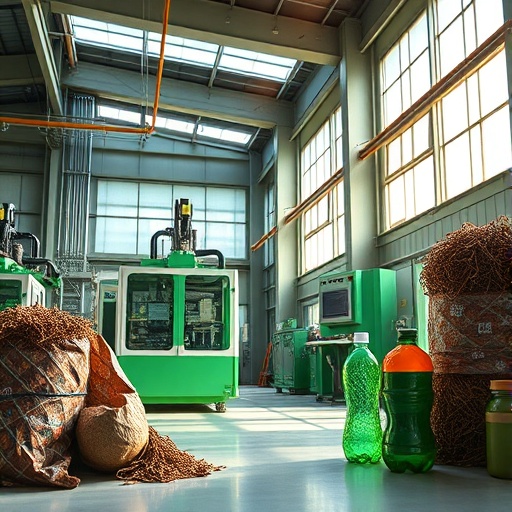
From Bottles to Containers: Versatility in Packaging
Green Bay plastics transforms raw materials into an array of packaging solutions. Standard bottles handle water and beverages with precision necks that accept standard caps. Larger containers accommodate bulk storage needs for industrial users.
Customization options allow brands to incorporate unique shapes and labeling surfaces. These features help products stand out on shelves. The versatility extends beyond simple bottles to include jerry cans and drums.
Engineers at Green Bay plastics test each design for drop resistance and seal integrity. This thorough approach ensures reliable performance across supply chains.
Sustainable Solutions in Motor Oil Packaging
Motor oil packaging from Green Bay plastics incorporates recycled content that maintains structural integrity. Thick walls prevent leaks during handling and storage. The designs include easy-pour spouts that reduce waste at the point of use.
These containers support automotive brands that prioritize environmental responsibility. Green Bay plastics works with clients to meet specific volume requirements while advancing sustainability targets. The result delivers functional packaging that aligns with corporate green initiatives.
Production runs emphasize efficiency to keep costs competitive. Motor oil manufacturers gain reliable American supply without compromising on quality.
Transforming Waste into Energy: The Recycling Process
Green Bay plastics operates a closed-loop system that converts post-consumer waste into usable resin. Collection programs gather bottles and containers from regional sources. Sorting and cleaning stages prepare materials for reprocessing into new products.
The process generates energy savings compared to virgin plastic production. Recycled output feeds back into packaging lines and even flooring materials. This approach reduces landfill contributions while creating value from discarded items.
Green Bay plastics tracks material flows to optimize recovery rates. Partnerships with local facilities strengthen the supply of feedstock for ongoing operations.
Sustainability and Environmental Impact
Reducing Carbon Footprint with Green Bay Plastics
Green Bay plastics implements energy-efficient machinery that cuts electricity consumption during production runs. Optimized heating cycles in molding equipment lower overall emissions. These measures contribute to smaller carbon footprints for every item shipped.
Transportation logistics favor regional suppliers to minimize fuel use. Finished goods reach customers faster with reduced environmental costs. The company monitors emissions data to identify further improvement opportunities.
Investments in renewable energy sources on site support long-term goals. Green Bay plastics demonstrates that domestic manufacturing can align with aggressive sustainability targets.
The Importance of Plastic Recycling
Plastic recycling at Green Bay plastics diverts materials from landfills and reintroduces them into commerce. Collection drives in Green Bay and surrounding areas increase participation rates. Processed resin replaces virgin inputs in new packaging and industrial goods.
This cycle conserves natural resources and lowers demand for raw petroleum. Consumers benefit from products that carry recycled content labels. Green Bay plastics educates partners on proper sorting to improve input quality.
Recycling programs also create jobs in the local economy. The manufacturer views these efforts as essential to responsible operations.
Commitment to Made in the USA Standards
Green Bay plastics adheres to strict domestic production guidelines that ensure traceability and quality. All facilities operate under American labor and safety regulations. This commitment appeals to corporations seeking to support local supply chains.
Labels highlight the made in the USA origin on finished goods. Clients gain confidence in consistent standards that overseas alternatives sometimes lack. Green Bay plastics maintains certifications that validate these claims.
The focus on domestic manufacturing strengthens resilience against global disruptions.
The Manufacturing Process Behind Green Bay Plastics
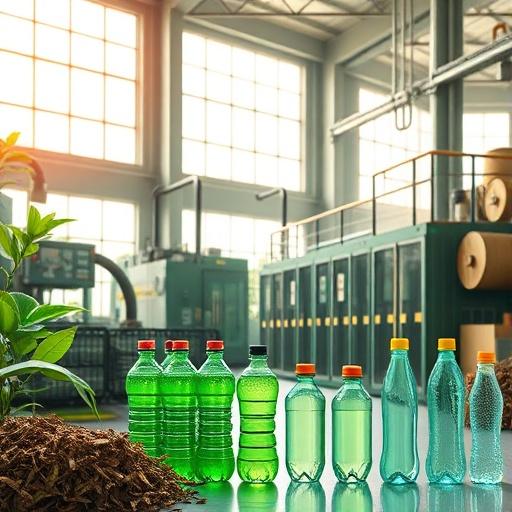
Blow Molding Techniques Explained
Blow molding at Green Bay plastics begins with melted resin extruded into parisons. Air pressure inflates the material against mold walls to form hollow shapes. Precise temperature control ensures uniform wall thickness in bottles and containers.
Multi-cavity molds increase throughput for high-volume orders. Operators adjust parameters to accommodate different resins including HDPE. The technique produces lightweight yet sturdy products that meet client specifications.
Green Bay plastics refines these methods continuously to reduce material usage while preserving strength.
Quality Control in Production
Quality control teams at Green Bay plastics inspect samples at every stage of manufacturing. Dimensional checks verify that containers meet exact tolerances. Pressure tests confirm leak resistance before packaging for shipment.
Automated vision systems detect surface defects that human eyes might miss. Rejected items return to recycling streams rather than entering finished inventory. This rigorous process protects brand reputations for clients.
Documentation tracks each batch for full traceability through the supply chain.
The Future of Manufacturing in the USA
Green Bay plastics invests in next-generation equipment that enhances precision and speed. Automation reduces repetitive tasks while skilled technicians oversee complex operations. These advancements keep domestic production viable against global competition.
Research into bio-based additives explores alternatives that maintain performance. The company collaborates with universities on process improvements. Green Bay plastics positions itself to lead in sustainable manufacturing practices.
Workforce development programs prepare the next generation of operators for evolving technologies.
Corporate Responsibility and Community Engagement
Green Bay Plastics' Role in Local Economy
Green Bay plastics employs hundreds of workers in manufacturing and support roles. Payroll and supplier spending circulate through the regional economy. The company sponsors local events that boost community visibility.
Training initiatives develop technical skills that benefit the broader workforce. Green Bay plastics partners with schools to introduce students to career paths in plastics. These efforts help sustain a vibrant industrial base.
Tax contributions support public services that improve quality of life for residents.
Partnerships with Other Corporations
Green Bay plastics collaborates with major corporations on custom packaging projects. Joint development teams refine designs that meet specific performance criteria. These alliances expand market reach while sharing expertise.
Shared sustainability commitments drive innovation in recycled content levels. Green Bay plastics supplies components that help partner brands achieve environmental targets. Long-term contracts provide stability for production planning.
Regular reviews ensure alignment on quality and delivery expectations.
Educating Consumers on Sustainable Practices
Green Bay plastics creates informational materials that explain proper disposal and recycling methods. Campaigns highlight the value of choosing products with recycled content. Consumers learn how their choices support circular economies.
Workshops for community groups demonstrate the journey from used bottles to new items like flooring. This outreach builds awareness of plastic recycling benefits. Green Bay plastics encourages responsible consumption through clear messaging.
Digital resources provide ongoing access to tips on reducing waste at home.