How Hydrostatic Testing Companies Ensure Safety in Pipeline Management
The Role of Hydrostatic Testing Companies in Pipeline Safety
Understanding Hydrostatic Testing
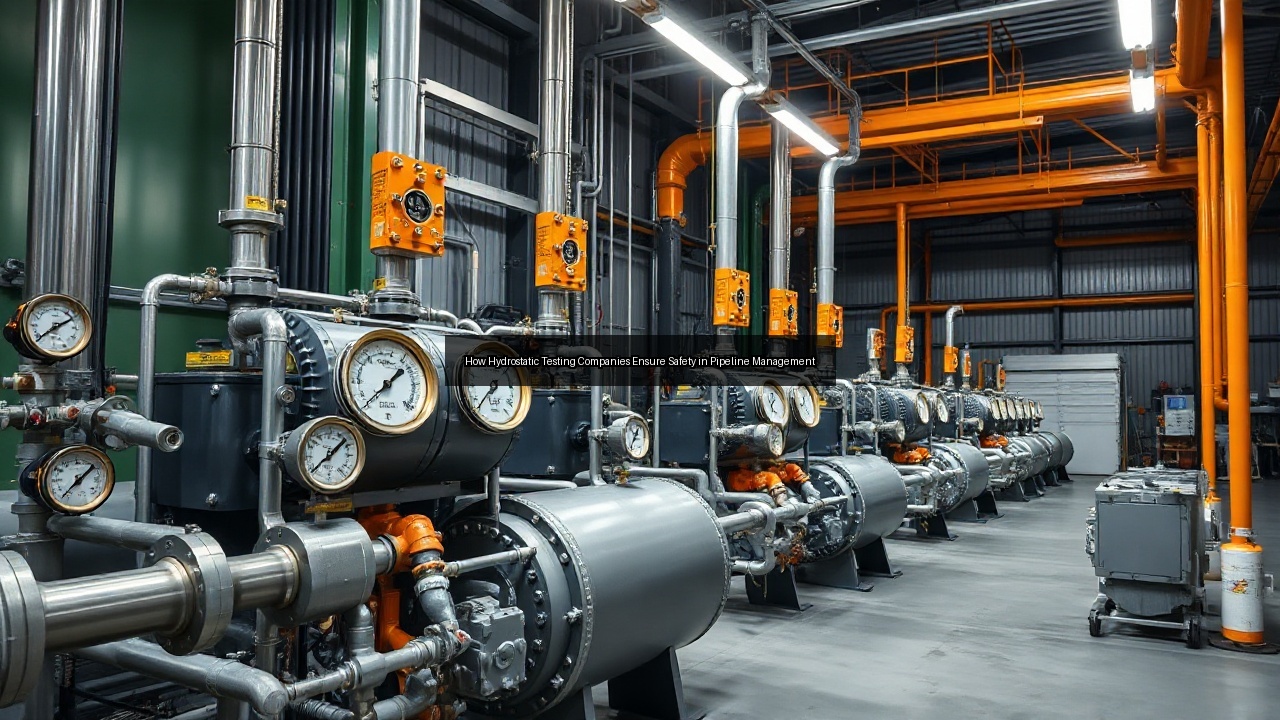
Hydrostatic testing companies perform essential evaluations on pipelines by filling sections with liquid and applying controlled pressure to detect leaks or weaknesses before full operation begins. This process reveals structural flaws that could lead to failures during actual use. Operators rely on these firms to verify that pipelines withstand operational demands without rupture. The method uses precise gauges and pumps to monitor pressure stability over set durations, confirming integrity at every joint and weld. Hydrostatic testing companies document results thoroughly, providing reports that guide repairs or certifications. Their expertise ensures pipelines in demanding environments maintain reliability from installation onward.
Key Responsibilities of Hydrostatic Testing Firms
Hydrostatic testing firms handle site preparation, equipment calibration, and real-time monitoring during every test cycle. They coordinate with pipeline owners to isolate sections safely and select appropriate test pressures based on material specifications. These companies train technicians to interpret data from pressure drops or anomalies, preventing overlooked defects. They also manage disposal of test fluids responsibly after completion. By maintaining detailed logs, hydrostatic testing companies support ongoing management decisions and help avoid costly downtime. Their role extends to advising on upgrades that enhance long-term pipeline performance across various industries.
Methods of Hydrostatic Testing in Pipeline Management
Hydrostatic Pressure Testing Techniques
Hydrostatic pressure testing techniques involve filling pipelines with water or another liquid then raising internal pressure above normal operating levels for several hours. Technicians watch for any decline that signals leaks at welds or fittings. Hydrostatic pressure test company teams use calibrated pumps and sensors to maintain exact conditions while recording every variable. This approach identifies corrosion, manufacturing flaws, or installation errors before pipelines enter service. Companies doing hydrostatic pressure tests often combine visual inspections with electronic monitoring for comprehensive results. The technique proves reliable for both new construction and existing lines undergoing maintenance.
Pneumatic Testing: An Alternative Approach
Pneumatic testing serves as an alternative when liquid use poses risks or logistical challenges in certain pipeline segments. Technicians introduce compressed air or gas and monitor pressure behavior to spot weaknesses. This method requires stricter safety protocols because gas releases more energy if a failure occurs. Hydrostatic testing expert companies evaluate site conditions before choosing pneumatic options, ensuring proper barriers and evacuation plans exist. They track temperature effects on pressure readings to avoid false interpretations. Pneumatic methods suit short or above-ground pipelines where draining liquid afterward would prove difficult or expensive.
Mechanical Testing and Its Importance
Mechanical testing complements pressure methods by examining pipe materials through tensile, bend, and hardness checks before assembly. Hydrostatic testing companies integrate these evaluations to confirm that steel or alloy grades meet design requirements. Technicians measure wall thickness and inspect for laminations that could compromise performance under load. This step prevents weak sections from entering the pipeline system. Firms emphasize mechanical testing during fabrication and welding phases to catch issues early. Its importance grows in high-pressure applications where material integrity directly affects operational safety and longevity.
Fluids and Materials Used in Hydrostatic Testing
Liquid and Gas Testing: A Comparative Analysis
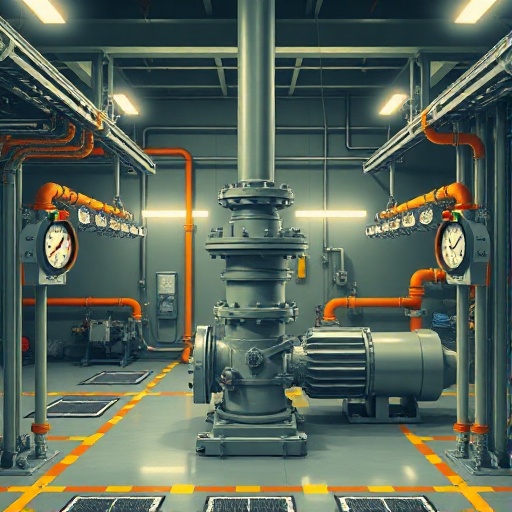
Liquid testing uses water or glycol mixtures to fill pipelines and apply steady pressure, offering clear leak detection through visible seepage. Gas testing employs air or inert gases for similar pressure application but demands extra precautions against rapid energy release. Hydrostatic testing companies compare both approaches based on pipeline location, material compatibility, and environmental factors. Liquid methods allow easier volume measurement while gas methods reduce post-test cleanup. Each option carries distinct advantages, so firms select accordingly to balance accuracy with practical constraints in pipeline management projects.
Chemical Considerations in Hydrostatic Testing
Chemical considerations guide fluid selection to avoid corrosion or residue that could damage pipeline interiors during testing. Hydrostatic testing companies analyze pipe metallurgy and add inhibitors when necessary to protect against rust or scaling. They monitor pH levels and oxygen content to prevent reactions that weaken surfaces. After testing, firms flush lines thoroughly and verify cleanliness before returning them to service. Proper chemical management extends pipeline life and maintains flow efficiency. These steps prove critical in sectors handling sensitive products where contamination risks remain high.
The Use of Nitrogen in Testing Procedures
Nitrogen serves as a preferred inert medium for pneumatic or hybrid tests because it eliminates oxidation risks inside pipelines. Hydrostatic testing companies introduce nitrogen to achieve desired pressures while keeping temperatures stable. This gas allows safe detection of leaks through pressure monitoring without introducing moisture. Technicians purge systems afterward to leave lines dry and ready for product introduction. Nitrogen testing supports applications in oil and gas pipelines where water residues could cause issues. Its controlled properties make it valuable for precision work in energy and construction environments.
Industry Applications of Hydrostatic Testing
Hydrostatic Testing in the Oil and Gas Industry
The oil and gas industry depends on hydrostatic testing companies to certify pipelines that transport crude, refined products, and natural gas across long distances. These firms conduct tests at various stages from mill production through field installation. Pressure verification ensures lines handle extreme conditions without failure. Hydrostatic testing companies also retest aging infrastructure during integrity assessments. Their work reduces spill risks and supports regulatory approval for continued operation. Accurate documentation from these tests helps operators plan maintenance and extend asset life in challenging terrains.
Pipeline Management in Construction and Energy Sectors
Construction and energy sectors integrate hydrostatic testing into project timelines to validate new pipelines before commissioning. Hydrostatic testing companies coordinate with contractors to schedule tests around welding and coating activities. They confirm that installed systems meet design pressures and identify any assembly defects immediately. This proactive approach prevents delays during startup phases. Firms provide validation reports that satisfy project stakeholders and insurance requirements. Effective pipeline management in these sectors relies on consistent testing to maintain safety and performance standards.
Aerospace Applications of Hydro Testing
Aerospace applications of hydro testing cover fuel lines, hydraulic systems, and pressure vessels in aircraft and spacecraft. Hydrostatic testing companies adapt procedures for smaller diameters and higher precision requirements typical in this field. They use specialized equipment to apply exact pressures while monitoring for micro-leaks that could affect flight safety. Hydro testing also validates components in ground support vehicles and launch infrastructure. These tests ensure materials withstand vibration, temperature extremes, and cyclic loading encountered during operations. Aerospace clients value the detailed traceability these companies deliver.
Ensuring Compliance and Safety Standards
Regulatory Guidelines for Hydrostatic Testing
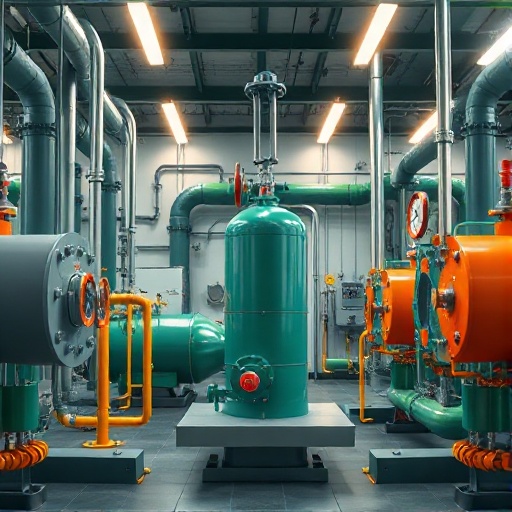
Regulatory guidelines establish minimum test pressures, durations, and documentation standards that hydrostatic testing companies must follow. These rules vary by jurisdiction and pipeline type but emphasize worker protection and environmental safeguards. Companies stay current with updates from agencies to align procedures accordingly. They train staff on proper permitting and notification processes before beginning work. Compliance reduces liability and builds trust with pipeline operators. Hydrostatic testing firms often exceed baseline requirements to deliver higher assurance levels in safety-critical projects.
Validation Processes for Pipeline Integrity
Validation processes combine hydrostatic results with inline inspections and material records to confirm overall pipeline integrity. Hydrostatic testing companies analyze pressure data alongside other diagnostics to provide complete assessments. They flag sections needing remediation and verify repairs through follow-up tests. This layered approach catches issues that single methods might miss. Validation supports informed decisions on pipeline management and helps prioritize investments. Thorough processes from these firms contribute to fewer incidents and more reliable energy transport networks.
The Future of Safety in Pipeline Management
The future of safety in pipeline management points toward advanced sensors and automated monitoring integrated with traditional hydrostatic methods. Hydrostatic testing companies adopt digital tools that deliver real-time data during tests and predict potential weaknesses. Innovations in fluid handling and non-destructive evaluation continue to raise standards. These developments allow earlier intervention and smarter maintenance scheduling. As pipelines expand into new regions, firms will refine techniques to address emerging challenges. Continued focus on rigorous testing protects communities and supports sustainable energy delivery.
See Also
- Top Hydrostatic Testing Companies Leading the Charge in Fluid Validation
- Exploring Innovations in Hydrostatic Testing for Chemical and Gas Industries
- Navigating the World of Hydrostatic Testing Companies in the Oil and Gas Industry
- The Best Practices Adopted by Leading Hydrostatic Testing Experts
- A Comprehensive Guide to Choosing the Right Hydrostatic Testing Firm