Why Dual Shot Injection Molding is the Future of Efficient Production Processes
Understanding Dual Shot Injection Molding
The Basics of Dual Shot Injection Molding
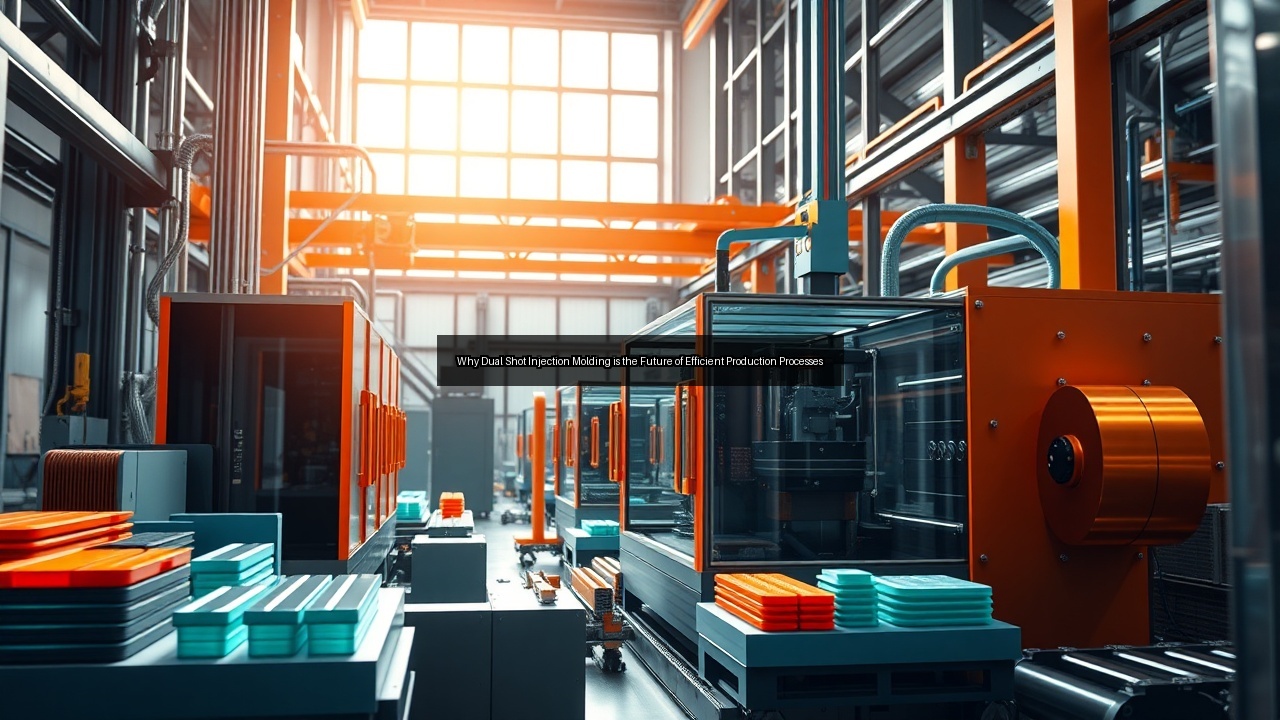
Dual shot injection molding combines two distinct materials or colors into a single molded part during one production cycle. This technique, also called 2 shot injection molding or dual injection, relies on a specialized machine that rotates or shifts the mold to allow sequential injections. Producers achieve strong chemical or mechanical bonds between layers without secondary assembly steps. The process supports complex geometries and multi-functional components that traditional single-shot methods cannot deliver efficiently. Engineers program precise timing and temperatures to ensure compatibility between the first and second shots. Automotive suppliers, consumer electronics firms, and medical device makers adopt this approach to streamline output and cut labor costs. The result is a finished product ready for immediate use after ejection from the mold.
How Dual Shot Differs from Traditional Injection Methods
Traditional injection molding completes one material per cycle before requiring additional operations such as painting, gluing, or mechanical fastening. Dual shot injection molding eliminates those steps by performing both injections inside the same machine. Operators load two separate barrels with different resins or elastomers, and the mold indexes automatically between shots. This integration reduces handling time and prevents contamination between materials. In contrast, older single-shot lines often produce parts that need post-processing, which increases defect rates and extends lead times. Dual shot machines also maintain tighter tolerances because both materials experience controlled cooling under identical clamp pressure. Manufacturers report fewer rejects and faster throughput when switching from conventional methods to this dual-shot process.
Key Advantages of Dual Shot Injection Molding
Speed ranks first among benefits because the entire part forms in one cycle instead of multiple stations. Cost savings follow from reduced assembly labor and lower inventory of separate components. Design flexibility expands as engineers combine rigid thermoplastics with soft grips or seals without extra fasteners. Part strength improves through molecular bonding that mechanical interlocks cannot match. Quality consistency rises because automated sequences remove human error in alignment. Companies also gain branding opportunities by molding multiple colors or textures simultaneously. These advantages compound when production volumes exceed several thousand units, making dual shot injection molding the preferred route for high-efficiency lines.
Materials and Techniques in Dual Shot Injection Molding
Thermoplastics vs. Thermosets in Dual Shot Molding
Thermoplastics dominate dual shot applications because they re-melt and bond reliably during the second injection. Materials such as ABS, polycarbonate, and polypropylene accept overmolding with TPE or silicone without degradation. Thermosets, while offering superior heat resistance, require careful temperature control to avoid premature curing that blocks adhesion. Engineers select thermoplastics when parts demand impact resistance and recyclability. They choose thermosets for electrical housings that must withstand high operating temperatures. Compatibility testing precedes every new resin pair to verify shrinkage rates and surface energy match. Successful combinations deliver parts that perform across wide environmental conditions while maintaining cycle times under sixty seconds.
The Role of Aluminum in Injection Molding
Aluminum molds accelerate prototyping and low-volume runs of dual shot injection molding because they conduct heat faster than steel. Toolmakers machine aluminum cavities quickly, allowing teams to test 2 shot molding process parameters in days rather than weeks. Production molds still favor hardened steel for extended runs, yet aluminum inserts often handle the first material shot while steel supports the second. This hybrid approach balances durability with thermal efficiency. Surface treatments on aluminum prevent galling when abrasive fillers appear in the resins. Many facilities keep aluminum tooling on hand for rapid design iterations before committing to full steel production tooling.
Overmolding: Enhancing Product Design
Overmolding within dual shot injection molding adds soft-touch surfaces, seals, or strain relief directly onto rigid substrates. The second shot flows into undercuts or textures created by the first shot, forming a permanent interlock. Designers exploit this freedom to create ergonomic handles on power tools or waterproof buttons on electronics. Material selection focuses on differential shrinkage so the softer layer compresses against the harder core for a tight fit. Cycle optimization keeps the first shot warm enough for bonding yet cool enough to avoid deformation. The technique replaces multiple discrete parts and fasteners, trimming both weight and assembly expense. Overmolding also improves aesthetics by hiding parting lines and delivering seamless color transitions.
Sustainability in Production Processes
Eco-Friendly Practices in Dual Shot Injection Molding
Modern dual shot systems incorporate servo-driven pumps that cut energy use by up to forty percent compared with hydraulic predecessors. Closed-loop water systems cool molds without constant fresh-water intake. Resin suppliers now offer bio-based thermoplastics that perform identically to petroleum grades in dual-shot cycles. Manufacturers track scrap rates in real time and regrind approved internal waste back into the first shot without compromising mechanical properties. These steps lower the carbon footprint per part while preserving the efficiency gains that drive adoption of dual shot injection molding. Facilities also install solvent-free mold releases and low-VOC colorants to meet stricter indoor-air standards in consumer goods.
Reducing Waste through Efficient Production Techniques
Single-cycle completion means fewer rejected subassemblies and less packaging material for intermediate parts. Dual shot injection molding produces near-net-shape components that require minimal trimming. When defects occur, the machine isolates the faulty shot and recycles the material within the same shift. Hot-runner manifolds eliminate sprue waste entirely on many tools. Process monitoring software predicts fill imbalances before they create scrap, allowing operators to adjust pressures on the fly. The cumulative effect appears in lower landfill contributions and reduced raw-material purchases. Companies that measure total waste per kilogram of finished goods consistently report double-digit reductions after converting lines to dual-shot equipment.
The Conversation on Sustainability in Plastics Manufacturing
Industry forums now focus on how dual shot injection molding supports circular-economy goals. Participants discuss resin traceability, end-of-life disassembly, and design-for-recycling guidelines that accommodate multi-material parts. The conversation highlights successful pilots where manufacturers separate bonded layers through selective dissolution or mechanical grinding. Leadership from resin producers and machine builders accelerates adoption of mono-material alternatives that still deliver dual-shot functionality. These exchanges produce practical roadmaps that balance performance with recyclability. As regulations tighten on single-use plastics, the techniques refined in dual shot molding become templates for broader plastics manufacturing reform.
The Future of Production Processes
Integration of 3D Printing with Dual Shot Molding
Hybrid work cells now place 3D-printed inserts into dual shot injection molding tools for rapid customization. Printed cores create internal channels or logos that would require complex slides in conventional tooling. After the first shot captures the insert, the second material encapsulates it permanently. This marriage shortens development cycles from months to weeks while preserving the speed of high-volume 2 shot molding. Engineers validate fit and function on printed prototypes before ordering steel molds. The approach proves especially valuable for medical devices that need patient-specific geometry yet must meet strict regulatory repeatability once production begins.
Leadership in Advancing Injection Molding Technologies
Equipment makers invest heavily in closed-loop controls that adjust shot volumes and temperatures without operator intervention. Their leadership drives adoption of artificial-vision systems that inspect every dual-shot part inline. New clamp designs accommodate larger molds while maintaining the precision needed for tight-tolerance overmolding. Training programs from these innovators help smaller manufacturers transition from older extrusion or single-shot lines. The resulting ecosystem pushes dual shot injection molding from niche to mainstream across sectors that once viewed multi-material molding as too complex or costly.
Exploring the Market Trends in Dual Shot Injection Molding
Demand rises steadily in electric-vehicle components, wearable electronics, and reusable packaging. Market analysts project annual growth above eight percent through 2030 as supply chains seek single-source suppliers capable of complex assemblies. Regional expansion appears strongest in Asia, where new facilities install 2 shot molding machines alongside existing injection capacity. Material innovation keeps pace, with conductive resins and self-healing elastomers entering qualification trials. Companies that master the dual shot injection molding technique position themselves ahead of competitors still reliant on multi-step processes. The trajectory points toward broader integration with automation and data analytics that further compress cycle times and elevate part quality.
See Also
- The Science Behind Dual Shot Injection Molding and Its Impact on Thermoplastic Design
- Maximizing Performance and Aesthetics with Dual Shot Injection Molding in Product Design
- How Dual Shot Injection Molding is Revolutionizing the Production of Complex Plastics
- Leadership in Innovation The Role of Dual Shot Injection Molding in Modern Manufacturing